Short answer:
-
Safe household waste removal means separating general, hazardous, and recyclable materials before disposal, choosing the right bin or collection size, and following local rules on what can legally go to landfill.
-
Skip bins are a practical option for larger clear-outs such as renovations, garage cleanups, or moving house, while kerbside and drop-off services suit smaller, everyday waste.
-
Confirm hire periods, weight limits, and banned items before booking to avoid extra charges or safety issues.
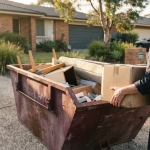
Clearing out a home, whether after a renovation, a move, or a long-overdue declutter, almost always produces more rubbish than council bins can handle. Getting it right matters for safety and for the environment, not just convenience. Residential rubbish removal through a skip bin service gives households a single, controlled way to dispose of bulky or mixed waste without multiple trips to the tip.
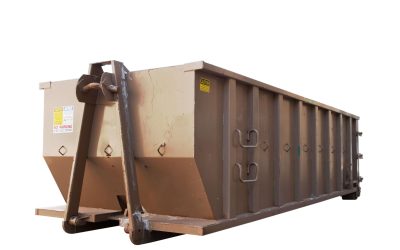
Family-run operator Ben’s Skip Bins services the Northern Rivers region of NSW, supplying residential skip bins for home cleanups, renovations, and garden clearouts. The company offers a range of bin sizes and both chain and hook-lift bins, which gives households flexibility depending on the scale of the job.
Why Household Waste Needs a Planned Approach
Household rubbish is rarely one uniform type of material. A single cleanout might include old furniture, renovation offcuts, garden clippings, and the occasional item that should never go into a general waste bin at all.
-
Mixing waste types can breach local waste rules and increase disposal costs.
-
Items like batteries, paint, and gas bottles require separate, licensed disposal pathways.
-
Overloaded bins create transport hazards and may be refused for collection.
According to the NSW EPA, a dedicated public awareness campaign launched in August 2025 is specifically focused on helping residents correctly identify and dispose of hazardous household items such as batteries, gas bottles, paint, and chemicals through Community Recycling Centres and Household Chemical CleanOut events. These free services exist specifically because such materials cause real harm when placed in standard kerbside bins.
Choosing the Right Waste Removal Option
Not every cleanup needs the same solution. Matching the job to the right method avoids wasted money and repeat trips.
|
Waste Volume |
Typical Scenario |
Likely Best Option |
|---|---|---|
|
Small (a few bags) |
Weekly tidy-up, minor declutter |
Kerbside council bin |
|
Medium (a room or garage) |
Furniture clearout, garden tidy |
Small to mid-size skip bin |
|
Large (whole-house or reno) |
Renovation, estate cleanout, moving house |
Larger skip bin with scheduled pickup |
For medium to large jobs, Ben’s Skip Bins notes that bin sizes commonly range from around 2 cubic metres up to 10 cubic metres, which covers most home renovation, decluttering, and moving-house situations across its service area.
What Can and Cannot Go in a Residential Skip Bin
Knowing what is accepted before the bin arrives saves time and avoids surcharges. Typical household items suitable for a skip include:
-
Old furniture, mattresses, and broken appliances
-
Cardboard, packaging, and general household clutter
-
Timber, plasterboard, tiles, and small amounts of renovation debris
-
Green waste such as branches and garden clippings
Items generally excluded from household skip bins include asbestos or fibro products, liquid wastes such as paints and oils, fuels, chemicals, tyres, and gas bottles or fire extinguishers, since these are classed as trackable or hazardous waste requiring separate handling. Hire periods and weight allowances also apply, and exceeding them typically results in additional charges, so checking these terms before filling the bin is worthwhile.
Planning a Smoother Cleanout
A few simple habits make the removal process faster and safer for everyone involved.
-
Sort waste into categories before the bin arrives, separating hazardous items in advance.
-
Book a bin size slightly larger than you think you need, since underestimating volume is common.
-
Keep access to the bin clear on collection day to avoid missed pickups.
-
Avoid overfilling above the bin’s sides, as this is both unsafe and against transport regulations.
Frequently Asked Questions
How do I know what size skip bin I need for a home cleanup? Bin sizes typically range from small 2 cubic metre options suited to minor decluttering up to larger 10 cubic metre bins for full renovations or house moves. If uncertain, it is generally safer to size up slightly rather than risk overfilling.
Can I put garden waste in a residential skip bin? Yes, green waste such as branches and clippings is commonly accepted in residential skip bins alongside general household items, though it is worth confirming with the provider if large volumes are involved.
What happens if hazardous items end up in my skip bin? Hazardous materials such as batteries, paint, gas bottles, or asbestos are not permitted in general skip bins and must go through dedicated disposal channels such as Community Recycling Centres, since they pose risks to waste workers and the environment if mishandled.
Is there a time limit on how long I can keep a hired skip bin? Most residential hires include a standard hire period, after which extra weekly charges may apply, so it helps to plan the job timeline before booking.
Responsible household waste removal comes down to planning ahead, sorting materials correctly, and choosing a bin size that matches the actual scope of the job. Whether the project is a single-room declutter or a full home renovation, taking the time to separate hazardous items and confirm service terms upfront avoids unnecessary costs and keeps the process safe for everyone involved, including the waste collection team.