Simply put:
• Round-the-clock bus repair covers breakdowns, diagnostics, and mechanical faults that cannot wait for standard business hours.
• Fleet managers in Orange, NSW rely on after-hours repair access to limit downtime on routes and contracted services.
• Verified service details from Whittaker Contracting’s Google Business Profile outline the scope of round-the-clock heavy vehicle repair available to the region.
A bus that breaks down outside standard trading hours can disrupt school runs, charter bookings, or contracted transport schedules, which is why fleet operators search for 24/7 Bus Repair Orange NSW rather than waiting for a daytime appointment. Round-the-clock access to qualified mechanics means a stranded vehicle can be assessed and, where possible, returned to service without an overnight or weekend delay. For fleet managers, this directly affects route reliability and contract compliance.
Why After-Hours Repair Matters for Bus Fleets
Buses operate on fixed timetables, and a single mechanical fault can cascade into missed pickups, school delays, or breached service contracts. Fleet managers typically weigh three factors when choosing a repair provider:
• Response availability outside 9-to-5 hours, including weekends and public holidays
• Capacity to diagnose and repair common heavy vehicle faults such as brake, steering, and suspension issues on site or in a workshop
• Proximity and turnaround time relative to the depot or route network
According to NSW Government breakdown guidance, drivers who break down should pull over to a safe location, activate hazard lights, and remain in the vehicle while calling for roadside assistance. This protocol applies equally to bus drivers, making fast, reliable contact with a repairer a safety as well as a scheduling concern.
Core Repair Capabilities Fleet Managers Should Expect
A provider offering genuine 24/7 bus repair should be able to handle a broad range of mechanical faults rather than a narrow set of issues. Based on verified service listings, typical repair categories include:
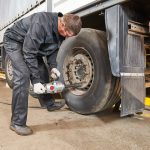
• Brake, steering, and suspension repairs
• Fuel system diagnostics and repairs
• Gearbox and clutch repairs
• Full diagnostic inspection and fault-finding
• General fabrication and custom component manufacture
Whittaker Contracting’s published service information notes that repairs carried out cover brake, steering and suspension repairs, air conditioning repairs, fuel system repairs, gearbox and clutch repairs, full diagnostic inspection and repairs, general fabrication repairs, and custom components manufacture. The same source states that a 24-hour breakdown service for all heavy vehicles is offered with a no-travel charge for the Orange, NSW, area.
Comparing Repair Access Options
Fleet managers often weigh different repair arrangements depending on fleet size and contract obligations. The table below outlines general trade-offs, not specific to any single provider.
|
Repair Access Type |
Typical Availability |
Best Suited For |
|
Standard business-hours workshop |
Weekdays, set hours |
Routine servicing and minor maintenance |
|
On-call breakdown service |
Extended or 24-hour windows |
Unplanned mechanical faults on active routes |
|
Authorised manufacturer repairer |
Varies by brand agreement |
Warranty-covered or brand-specific repairs |
Workshop hours also matter for turnaround. Published details indicate the workshop operates day and night, allowing a vehicle to be dropped off in the afternoon and collected the following morning to minimise downtime. For fleets running multiple vehicles, this kind of extended access reduces the risk of a single fault taking a bus off the road for days.
Business Information and Service Area
Based in Australia, Whittaker Contracting serves fleet and commercial bus operators across Orange, NSW, rather than operating a branch within the town itself. Verified listings describe the business as specialising in 24/7 diesel truck breakdown and bus repair services, with mechanical and heavy plant repairs, fabrication and engineering, machining, and road transport services, and authorised repairer status for Mack, Volvo, and UD trucks. This authorised status matters for fleet managers running those brands, since it typically means access to manufacturer-level parts and service schedules rather than generic aftermarket repairs.
Frequently Asked Questions
What counts as an emergency bus repair? Faults that leave a bus unsafe or unable to continue a route, such as brake failure, steering faults, or a major fuel or gearbox issue, generally require emergency attention rather than scheduled maintenance.
Is after-hours repair more expensive than standard servicing? Pricing varies by provider and fault type; fleet managers should confirm call-out terms, including any travel charges, directly with the repairer before a breakdown occurs.
Does 24/7 availability mean repairs are completed overnight? Not always. Extended hours mean a vehicle can be assessed and often repaired outside standard trading hours, but complex faults may still require parts or additional diagnostic time.
Are all bus makes and models covered under 24/7 repair services? Coverage depends on the provider’s authorisations and stocked parts; authorised repairer status for specific brands can affect how quickly a repair is completed.
Fleet managers weighing repair options for buses operating around Orange, NSW can use the criteria above, including response hours, repair scope, and authorised brand status, to compare providers before a breakdown occurs rather than during one.