Recap:
-
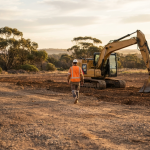
Efficient land clearing in Whyalla depends on matching the right machinery, licensed operators, and site assessment to the block’s soil, vegetation, and access conditions.
-
Experienced earthmoving contractors combine excavators, loaders, and tippers with safety accreditations to clear sites faster and with less rework.
-
South Australian native vegetation rules can affect what can be cleared, so checking requirements before work starts avoids delays and penalties.
Clearing a block of land for a new build, shed, or driveway in Whyalla requires more than simply moving soil. Factors such as soil conditions, existing vegetation, drainage, and site access all influence how the land should be prepared. Choosing reliable Earthmoving Contractors in Whyalla SA helps ensure the site is cleared efficiently and prepared properly before any machinery arrives.
Whyalla’s coastal and semi-arid conditions bring a mix of compacted clay, rocky ground, and scattered native scrub, each requiring a slightly different clearing approach. A contractor familiar with the local terrain can usually identify the right equipment combination on the first site visit rather than adjusting midway through the job.
What Land Clearing Actually Involves
Land clearing is more than removing trees and scrub from a block. It typically includes site assessment, vegetation removal, stump and root extraction, grading, and disposal or recycling of cleared material.
A structured approach generally follows these stages:
-
Site assessment – checking soil conditions, slope, and any vegetation that may require approval before removal
-
Vegetation and debris removal – clearing trees, shrubs, and surface material using excavators or loaders
-
Levelling and grading – preparing a flat, stable base for construction or further civil works
-
Material removal or reuse – transporting spoil and green waste off site, or repurposing it where practical
Before any clearing begins on a block with native vegetation, it is worth checking whether approval is required. In South Australia, clearing native vegetation for safety reasons is governed by specific regulations under the Native Vegetation Regulations, and private landowners must meet defined requirements before removing vegetation, even on their own property.
Equipment and Experience That Affect Clearing Efficiency
The machinery used on a clearing job has a direct effect on how quickly and cleanly a site is prepared. Larger blocks with established vegetation usually need heavier excavators and loaders, while smaller residential clearing can often be handled with lighter equipment.
|
Equipment Type |
Best Suited For |
Typical Use in Clearing |
|---|---|---|
|
Excavators (2-30 tonne) |
Tree and stump removal, trenching |
Digging out root systems and grading uneven ground |
|
Bobcats/Skidsteers |
Tight access residential blocks |
Manoeuvring around fences, sheds, and existing structures |
|
Loaders |
Moving cleared material |
Shifting debris and soil to stockpiles or trucks |
|
Tippers/Water Trucks |
Material transport and dust control |
Removing spoil and keeping cleared ground manageable during works |
A local contractor offering this spread of machinery can usually scale a clearing job up or down without needing to bring in outside subcontractors, which keeps timelines more predictable.
Questions to Ask Before Hiring a Contractor
A short conversation before booking a job can reveal whether a contractor is set up to handle the site efficiently. Useful questions include:
-
What size equipment will be used on my block, and why? Oversized machinery on a small residential lot can be inefficient, while undersized gear on a large rural block slows the job down.
-
Are operators accredited for the type of work involved? Accreditation matters more on sites near rail corridors, mine access roads, or industrial zones.
-
How is cleared material handled? Some sites allow mulching or reuse of vegetation on site, while others require full removal.
-
What is the expected timeframe? A clear estimate, even a rough one, helps with scheduling any follow-on construction work.
Contractors who answer these clearly, rather than giving vague reassurances, tend to be better prepared for variable ground conditions common around Whyalla.
Frequently Asked Questions
Does land clearing always need council or government approval in South Australia? Not always, but clearing native vegetation can trigger specific requirements. Checking with the relevant state authority before starting work is the safest approach, particularly where mature trees or scrub are involved.
How long does clearing a typical residential block take? This depends heavily on vegetation density, soil type, and site access. A straightforward block with light scrub can often be cleared in a day or two, while rocky or heavily vegetated sites take longer.
Can cleared vegetation be reused on site? In some cases, mulched vegetation can be reused for erosion control or landscaping. This depends on the site plan and any relevant waste disposal rules.
What machinery is typically needed for a residential land clearing job? Most residential clearing jobs use a combination of excavators and bobcats for vegetation removal, with tippers for transporting spoil and debris off site.
Working With a Local Team
Clearing land efficiently comes down to matching the right equipment, accredited operators, and a clear process to the specific conditions of a site. Whyalla Earthworks is one option among local operators offering excavators, loaders, and tippers suited to residential and commercial clearing work around Whyalla. Speaking directly with a local operator about your block’s conditions is generally the most reliable way to get an accurate idea of timing, equipment needs, and cost before work begins.