Essentially:
-
Heavy vehicle towing covers trucks, machinery, trailers, and larger commercial fleet vehicles that need specialised equipment and trained operators.
-
In Victoria, accident towing and trade breakdown towing sit under different rules, so knowing which service you need matters before you call.
-
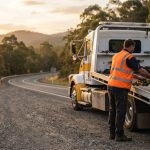
Local Yarra Valley operators with tilt tray fleets and regional route knowledge tend to respond faster on highways such as the Maroondah and Melba.
When a truck, trailer, or piece of machinery breaks down or is involved in a collision, the immediate question is which operator can actually move it safely. Heavy Vehicle Towing Healesville VIC searches typically come from drivers, fleet managers, or local businesses trying to find an operator equipped for gross vehicle masses well beyond a standard car, and able to reach regional roads quickly. Getting this right the first time avoids further vehicle damage, delays, and unnecessary cost.
What Heavy Vehicle Towing Actually Involves
Heavy vehicle towing is a distinct category from standard car towing because of the equipment, licensing, and handling knowledge required.
-
Vehicle classes covered: trucks, buses, trailers, caravans, and machinery that exceed light vehicle towing capacity.
-
Equipment needed: tilt tray trucks, extended ramps, and secure tie-down systems rated for heavier loads.
-
Operator knowledge: understanding load balance, road conditions, and safe recovery angles on rural or hilly terrain.
Under Victorian regulation, this distinction is formally recognised. According to a Victorian government review of towing regulation, regular vehicle accident towing relates to towing of accident-damaged vehicles with a gross mass of less than four tonnes, while heavy vehicle accident towing is the towing of vehicles with a gross mass of four or more tonnes. That threshold is why not every towing operator is equipped, licensed, or insured to handle heavier loads.
Accident Towing Versus Trade Breakdown Towing
Victoria treats these two towing categories differently, and it affects who can respond and how quickly.
|
Towing Type |
Trigger |
Regulatory Oversight |
Typical Response |
|---|---|---|---|
|
Accident towing |
Collision or crash scene |
Tightly licensed, allocation zones apply |
Attends within a defined scene radius |
|
Trade/breakdown towing |
Mechanical failure, no collision |
Fewer formal controls |
Any suitably equipped operator can respond |
|
Heavy vehicle towing |
Gross mass 4+ tonnes |
Requires heavy tow truck licence |
Specialised tilt tray or heavy recovery gear |
Victoria’s peak transport authority confirms this split in its industry guidance, noting that non-accident towing undertaken for hire or reward, such as breakdown towing, may be done by anyone with a vehicle capable of performing the towing function, including tow trucks licensed to attend accident scenes. Accident scenes, by contrast, fall under a defined area rule, where an accident scene extends for two kilometres from the scene of the accident. Knowing which category applies to your situation helps set realistic expectations for response time and paperwork.
What to Look for in a Heavy Vehicle Towing Operator
Not every towing business carries the fleet or experience needed for trucks, machinery, or larger trailers. Before calling anyone, check for these points:
- Fleet suited to heavy loads – tilt tray trucks with extended ramps handle low clearance and heavier vehicles more safely than a standard hook and chain unit.
- Local road familiarity – regional stretches such as the Black Spur, Maroondah Highway, and Melba Highway have tighter bends and steeper grades than metro roads.
- 24/7 availability – breakdowns and machinery failures rarely happen during business hours.
- Tracking and communication systems – satellite tracking and two-way radios help confirm accurate arrival times.
- Experience with mixed loads – confirm the operator has handled trucks, trailers, caravans, and machinery, not just passenger cars.
Yarra Valley Towing is one operator servicing the Healesville and broader Yarra Valley area with this kind of equipment. The business runs a fleet of late-model tilt tray trucks equipped with satellite tracking and two-way radios, ensuring a quick response and safe delivery, and handles cars, motorbikes, trailers, caravans, machinery, and light trucks across the region.
Regional Response Times and Practical Considerations
Rural and semi-rural roads around Healesville present different challenges than metro towing jobs. Narrow shoulders, limited lighting, and steep descents near the Black Spur mean recovery work often needs extra care and the right gear on the first attempt. Operators based in the Yarra Valley itself, rather than dispatched from a distant metro depot, generally reach these locations faster because they already know the terrain and traffic patterns.
For businesses managing fleet vehicles or machinery, this local knowledge also reduces the risk of secondary damage during recovery. A truck or trailer stuck at an awkward angle on a hillside road needs an operator who can assess the safest recovery method quickly, rather than improvise on unfamiliar terrain.
Frequently Asked Questions
What counts as a heavy vehicle for towing purposes in Victoria? Under state guidance, heavy vehicle accident towing is the towing of vehicles with a gross mass of four or more tonnes. This generally includes trucks, larger trailers, and commercial machinery.
Do I need a licensed operator for a breakdown, or only after an accident? Licensing requirements are stricter for accident scenes. Non-accident towing undertaken for hire or reward, such as breakdown towing, may be done by anyone with a vehicle capable of performing the towing function.
Why does an operator’s location matter for heavy vehicle towing? Response time and terrain familiarity both improve when the operator is based locally rather than dispatched from a distant depot, particularly on winding regional roads.
Can the same operator tow both machinery and standard vehicles? Some regional operators cover a broad range, including cars, trailers, caravans, and machinery, provided their fleet includes tilt tray trucks and appropriate ramps for varied loads.
Heavy vehicle towing is not a one-size-fits-all service, and the right operator depends on load type, location, and whether the job follows an accident or a mechanical failure. Checking fleet capability, licensing, and local road experience before you need a tow puts you in a stronger position when something goes wrong on the road. For those in Healesville and the surrounding Yarra Valley, matching the job to an operator with heavy-load equipment and regional knowledge remains the most practical way to avoid delays and further vehicle damage.